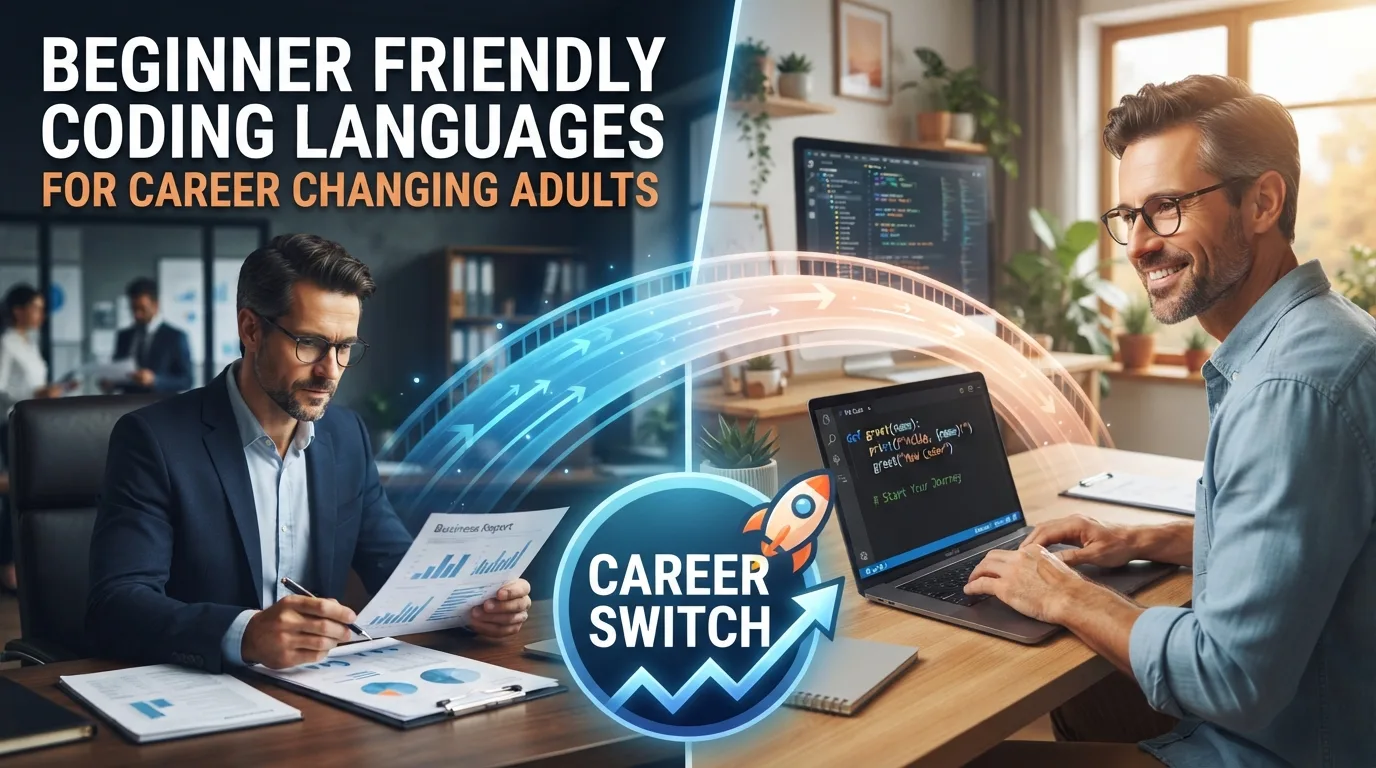
Finding beginner friendly coding languages for career changing adults felt completely impossible when I quit my office job at thirty-two. Staring at complex syntax while working full time almost made me give up entirely before I even started writing my first lines of code. You do not need a math degree or childhood computing background to build a successful software career.
1. Python for Easy Syntax and Data Jobs
Python stands out because its syntax reads almost like standard English sentences. You spend far less time wrestling with complex brackets or obscure punctuation marks during your late-night study sessions. This clean layout makes understanding logic concepts natural for people balancing jobs and family responsibilities.
Many entry-level roles in data analysis, automation, and backend development actively seek Python skills. Building a simple script to organize spreadsheet files took me just three days of practice. Clean code syntax gives career switchers fast wins without feeling overwhelmed early on.
2. JavaScript for Immediate Web Interactivity
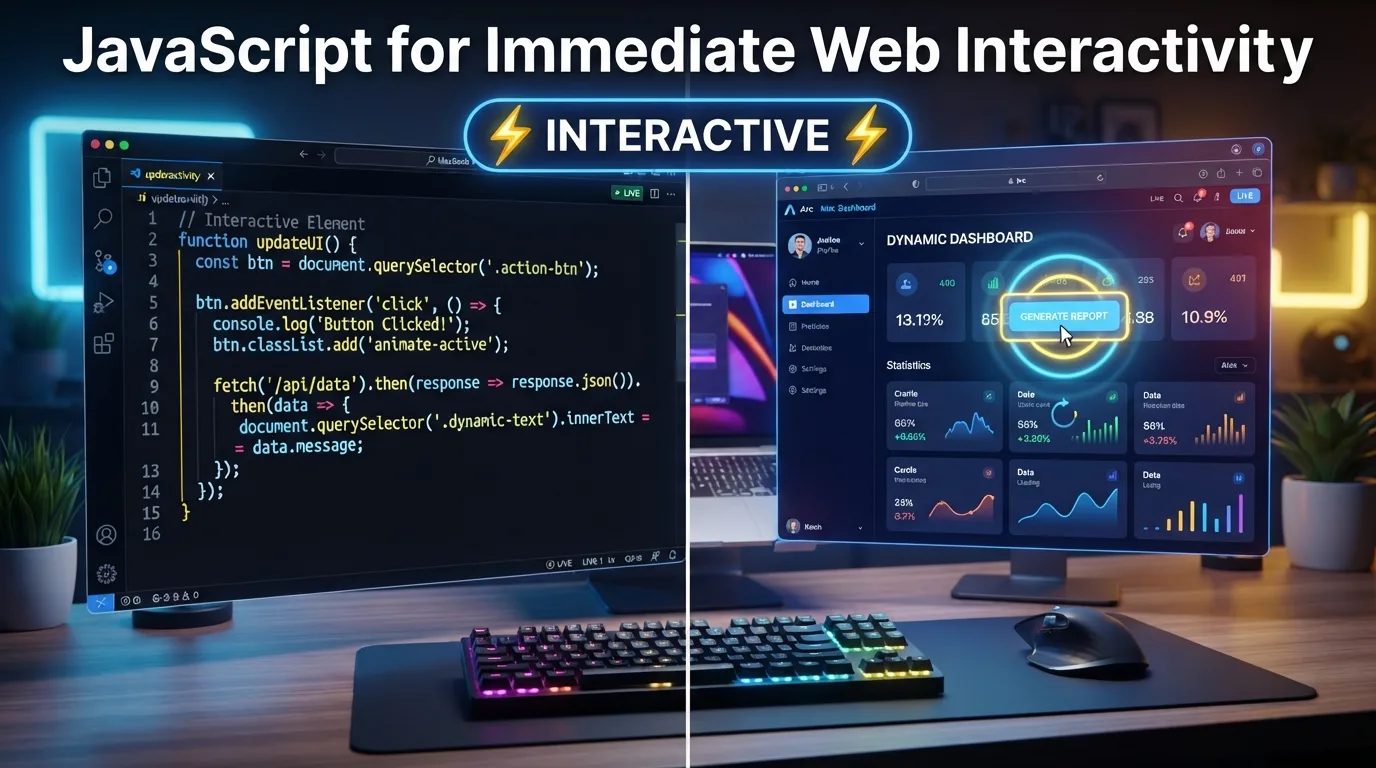
Every modern internet browser runs JavaScript out of the box without requiring complicated installation setups. You can open your web browser right now, open developer tools, and write functional code immediately. This instant feedback loop keeps your motivation high while learning web development basics.
Employers constantly hire front-end developers who understand how to build interactive web pages. Building an interactive digital calculator using basic JavaScript helped me showcase tangible skills to hiring managers during my first technical interviews. Browser native execution allows you to build real web projects on any computer.
3. HTML and CSS: Beginner Friendly Coding Languages for Career Changing Adults
While technically markup languages rather than programming tools, HTML and CSS form the foundational backbone of web design. Learning how to structure page text and style layout colors provides visual feedback that boosts your creative confidence. They serve as ideal stepping stones before jumping into logic heavy programming languages.
When exploring beginner friendly coding languages for career changing adults, mastering markup first prevents sudden burnout. I built my personal portfolio website using basic CSS flexbox in my second week of learning. Visual page layout concepts build a solid bridge toward complex programming topics later.
4. SQL for High-Demand Data Roles
Structured Query Language allows you to communicate directly with corporate databases to analyze massive amounts of information. The basic commands follow straightforward English words like SELECT, FROM, and WHERE. Career switchers coming from sales or marketing backgrounds often find SQL intuitive because it mirrors familiar spreadsheet logic.
Data analyst positions offer fantastic remote career opportunities for adults transitioning from non-technical industries. Learning how to join distinct data tables enabled me to solve real business reporting problems within a month. Database query commands remain essential across nearly every major industry today.
5. Ruby for Friendly Community Support
Ruby was designed specifically to make software developers happy by keeping code structure intuitive and expressive. Its companion web framework, Ruby on Rails, lets you build complete web applications with minimal boilerplate setup. This user-friendly philosophy helps career switchers build working web applications quickly.
The Ruby community is famous for welcoming newcomers and providing patient mentorship on public forums. Building a simple blogging platform with Rails showed me how backend routing works behind web forms. Developer happiness focus keeps your coding experience enjoyable while learning web application architecture.
6. PHP for Flexible Freelance Opportunities
Powering nearly eighty percent of all websites on the internet, PHP offers immediate freelance income potential. It integrates cleanly with HTML pages, making simple backend website modifications simple to understand. When searching for beginner friendly coding languages for career changing adults, PHP remains a solid choice for immediate freelance work.
Major content management systems like WordPress rely heavily on PHP customization for custom client themes and plugins. Tweaking custom e-commerce templates gave me paid freelance gigs before I even applied for full time engineering roles. Website script integration helps you earn income while continuing your learning journey.
7. Swift for iOS App Development
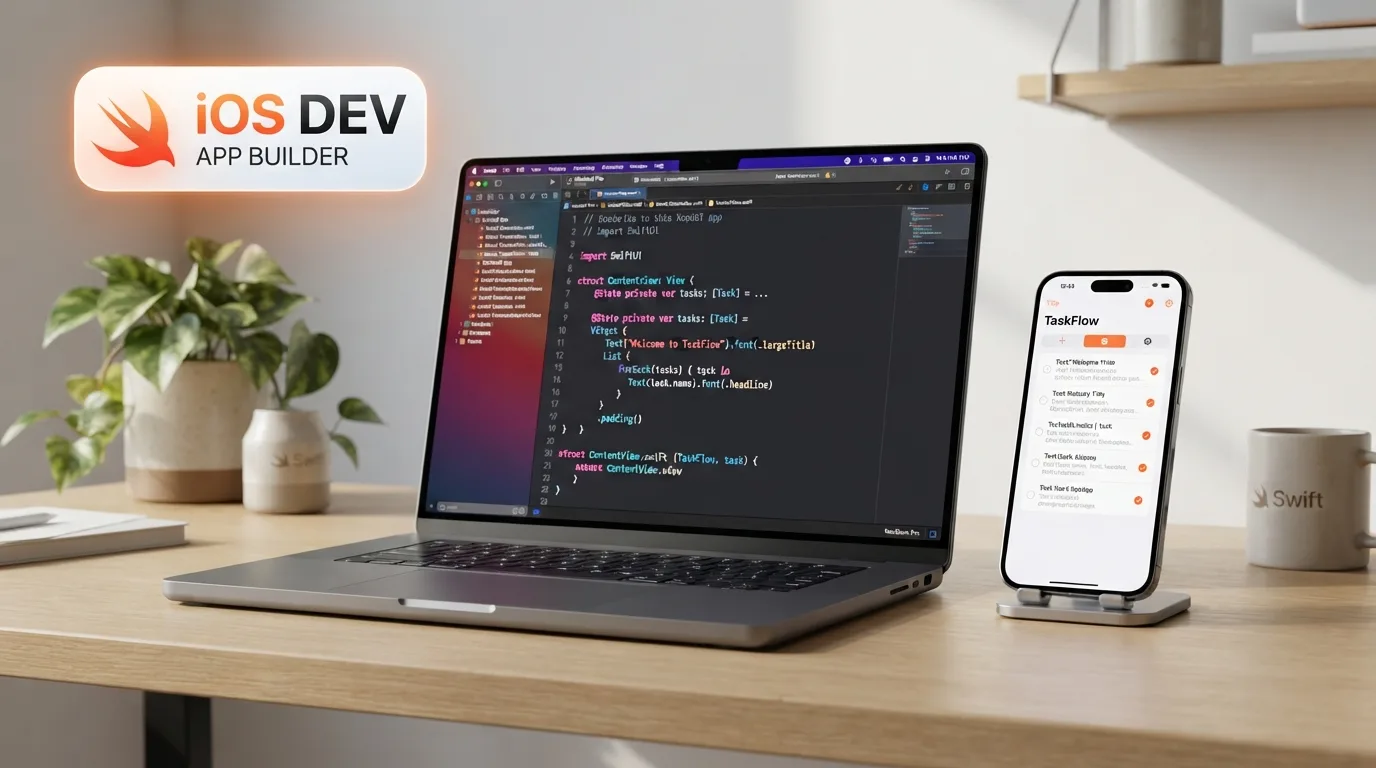
Apple developed Swift to give app creators a modern, safe, and lightning fast language for iPhone software. The syntax enforces strict safety rules that catch common coding mistakes before your program ever runs. Interactive playgrounds let you preview visual app components in real time on your Mac display.
Mobile app development offers clear career paths in established tech firms and growing software startups. Designing a basic habit tracking iOS app gave me a polished project to show potential employers on my resume. Real-time preview tools remove guesswork when building user interfaces for Apple devices.
8. Go for High-Performance Backend Systems
Google created Go to simplify large software projects while maintaining impressive execution speeds across computer servers. The language deliberately excludes overly complex features, keeping syntax clean and easy to read. Adult learners appreciate that Go programs compile quickly without requiring cumbersome dependencies.
Cloud infrastructure and DevOps fields hire Go developers rapidly to build scalable web microservices. Building a basic web server in Go taught me how modern cloud backends handle thousands of requests simultaneously. Fast code compilation helps you understand cloud computing concepts without struggling through bloated syntax.
9. TypeScript for Career Advancement
Adding static typing on top of JavaScript makes TypeScript essential for professional web development teams today. It catches subtle code errors inside your text editor before you save or push files to production. Adult switchers who learn TypeScript stand out immediately during technical hiring assessments.
Enterprise software engineering teams prefer TypeScript because it makes maintaining massive codebases straightforward. Learning TypeScript after mastering JavaScript allowed me to land a mid-level developer role ahead of schedule. Static type checking prevents common runtime bugs while building enterprise applications.
Frequently Asked Questions
Which language should a career changer learn first?
Python or JavaScript works best for most adults transitioning into tech. Python suits those interested in data analysis, automation, or backend systems, while JavaScript fits anyone aiming for web development. Both offer huge online communities, abundant learning resources, and strong hiring demand across entry-level job markets.
How long does it take to learn beginner friendly coding languages for career changing adults?
Most working adults spend three to six months building practical job-ready skills when studying consistently for ten hours weekly. Focusing on one primary language and building real portfolio projects speeds up learning significantly compared to jumping between multiple languages simultaneously.
Do I need a computer science degree to get hired as a software developer?
No, modern tech companies prioritize practical portfolio projects, problem-solving ability, and clear communication over traditional degrees. Demonstrating functional code on GitHub and showing an understanding of software fundamentals matters far more to hiring managers than a formal computer science diploma.
Can I learn programming while working a full time job?
Yes, dedicate one focused hour every evening or block out time on weekends for hands-on practice. Consistency beats long weekend cramming sessions when building muscle memory for coding syntax. Setting small daily learning goals prevents burnout while managing existing work and family commitments.
Is Python better than JavaScript for landing a first developer role?
Neither is strictly better, as both languages boast high job market demand. Python excels in data science, artificial intelligence, and automated scripting, while JavaScript dominates web applications. Choose the language that aligns best with the specific job roles available in your local market.
Conclusion
Starting your transition into software development comes down to choosing one tool and building momentum through consistent practice. Focus on building real projects that excite you rather than worrying about picking the single perfect option. Which language are you going to start learning this evening?